
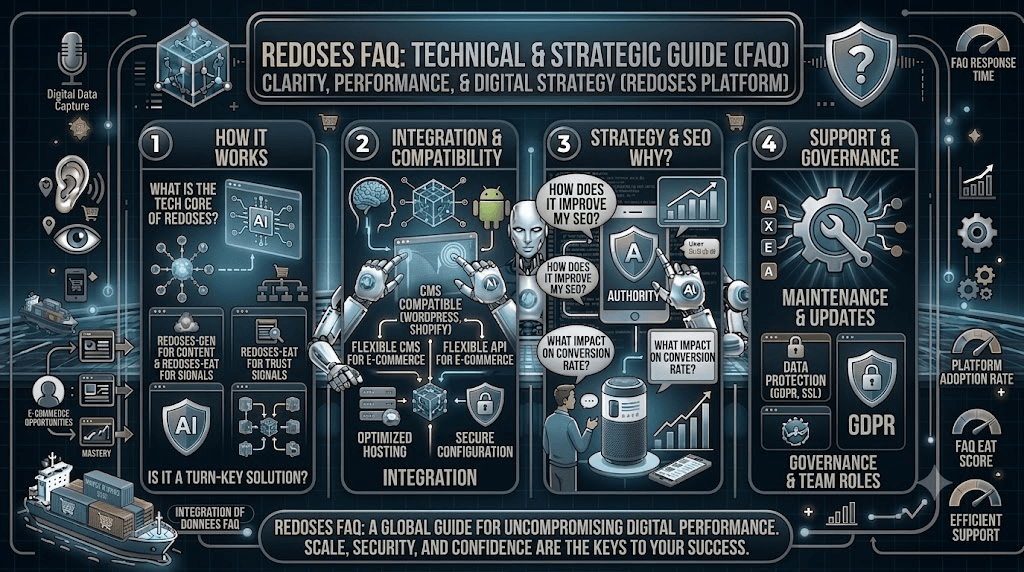
Frequently Asked Questions
Frequently asked questions
What is SEO?
SEO, or search engine optimization, is the process of improving a website’s visibility in search engine results pages (SERPs) to attract organic traffic. This involves optimizing content, technical aspects, and user experience to rank higher for relevant search queries.
2
SEO is crucial because it helps your website rank higher in search results, leading to increased visibility and traffic. Most consumers use search engines to find products and services, so effective SEO can have a significant impact on your business’s success.
How does SEO work?
SEO works by aligning your website with search engine algorithms, which evaluate various factors such as content quality, keyword relevance, and user experience. By optimizing these elements, you can improve your ranking in search results.
What are the types of SEO?
There are several types of SEO, including:
On-page SEO: Optimizing individual pages for specific keywords and improving content quality.
Off-page SEO: Building backlinks and strengthening your site’s authority through external sources.
Technical SEO: Ensuring your website is crawled and indexed by search engines, including site speed and mobile responsiveness.
What is keyword research?
Keyword research involves identifying the terms and phrases that potential customers use when searching for products or services. This helps you create content that targets those keywords, increasing your chances of ranking higher in search results.
How long does it take to see SEO results?
SEO is a long-term strategy, and it can take several months to see significant results. Factors such as competition, the current state of your website, and the effectiveness of your SEO strategy can influence the timeframe.
What are backlinks and why are they important?
Does website speed affect search engine rankings?
What are the main Google ranking factors?
How can I track my SEO performance?
You can track your SEO performance using tools such as Google Analytics, Google Search Console, and various SEO software that provide information on traffic, rankings, and user behavior.
What are search engine ads?
Search engine advertising involves paying platforms like Google, Bing, or Yahoo to display your ads when people search for keywords you’ve paid for. Unlike organic search results (SEO), which take time to develop, search engine ads appear almost instantly at the top of search results pages.
What are the benefits of search engine marketing?
Instant Visibility
One of the main advantages of SEM is that it offers instant visibility on search engines. Unlike SEO, which can take months to produce results, SEM allows businesses to appear at the top of search results immediately after launching a campaign. This is especially beneficial for new businesses or product launches that need to generate traffic quickly.
Targeted Audience
SEM allows businesses to target specific audiences based on demographics, location, search intent, and behavior. With tools like Google Ads, businesses can refine their campaigns to reach users most likely to convert. This precise level of targeting ensures your ads are shown to people actively searching for products or services similar to yours.
Measurable Results
With SEM, every aspect of your campaign can be measured and tracked in real time. This includes metrics such as impressions, clicks, click-through rates (CTR), conversions, and return on investment (ROI). Having access to this data allows businesses to assess the effectiveness of their campaigns and make data-driven decisions to optimize performance.
Cost Control
Unlike traditional advertising, SEM gives businesses complete control over their advertising budget. You can set daily or monthly spending limits, choose how much you’re willing to pay per click, and pause or stop campaigns at any time. This flexibility allows businesses to effectively manage their marketing costs and avoid overspending.
Immediate Traffic
SEM is an excellent strategy for generating immediate traffic to your website. As soon as your advertising campaign is live, users who click on your ads are directed to your site. This is especially useful for time-sensitive promotions or events where generating traffic quickly is crucial.
High Conversion Rate
SEM targets users who are actively searching for specific products or services, making them more likely to convert than users reached through other marketing channels. By aligning your ads with search intent, you can capture high-quality leads who are further along in the buyer’s journey and more ready to make a purchase.
Competitive Advantage
In competitive industries, SEM can provide an edge over competitors by allowing your business to appear at the top of search results, even if your organic rankings aren’t as strong. Paid search ads give you the opportunity to compete with larger companies and be seen by potential customers who might not have found your business through organic search.
Brand Awareness
Even if users don’t click on your ads, having your business appear at the top of search results increases brand awareness. When users see your brand repeatedly in search results, they are more likely to recognize and remember your business, which can lead to future conversions.
Customizable Ads
SEM platforms offerA variety of ad formats are available that can be tailored to your marketing objectives. From text ads and product ads to video and display ads, businesses can choose the format that best suits their audience and goals. This level of personalization allows businesses to create visually appealing ads that are highly relevant to their target audience.
Geo Targeting
With SEM, businesses can target users based on their geographic location. This is especially beneficial for local businesses that want to attract customers from specific regions or cities. Geo Targeting ensures that your ads are shown to users in areas where your business operates, increasing the chances of local conversions.
Ad Extensions
SEM platforms like Google Ads allow businesses to use ad extensions, which provide additional information about your business. This can include call-to-action buttons, location information, links to specific pages on your website, and more. Ad extensions make your ads more informative and interactive, which can lead to higher click-through rates.
Flexible Bidding Options
SEM offers flexible bidding strategies that allow businesses to optimize their campaigns for different objectives. You can choose to bid on clicks, impressions, or conversions, depending on your goals. This flexibility allows businesses to focus on what matters most, whether it’s driving traffic, increasing brand awareness, or boosting sales.
Disadvantages of Search Engine Marketing?
Expensive in the Long Term
While SEM can generate immediate traffic, costs can quickly add up, especially for highly competitive keywords. Pay-per-click (PPC) campaigns can become expensive, particularly if you bid on high-demand keywords. For businesses with limited budgets, SEM may not be sustainable in the long run.
Cost-per-click
Click Fraud
Click fraud is a major concern in SEM, especially for businesses running PPC campaigns. Competitors or bots can click on your ads without any intention of converting, increasing your ad spend without delivering real value. While search engines have systems in place to detect and prevent click fraud, it remains a challenge for advertisers.
High Competition
In highly competitive industries, SEM can become a bidding war, with businesses continually raising their bids to stay at the top of search results. This can drive up the cost per click (CPC) and make it difficult for smaller businesses to compete against larger companies with bigger budgets.
Short-Term Impact
SEM delivers immediate results, but the benefits only last as long as the ads are running. Once you stop paying for ads, your search engine visibility disappears. This short-term nature of SEM contrasts with SEO, where long-term efforts can generate sustained organic traffic even after optimization efforts cease.
Ad Fatigue
Over time, users can become accustomed to seeing the same ads repeatedly, leading to ad fatigue. As users become less likely to interact with your ads, your click-through rates and conversions may decline. To address this, businesses need to regularly update their ads to keep them fresh and engaging, which requires additional resources.
Limited Placement Control
While SEM platforms allow businesses to target specific audiences, advertisers still have limited control over where their ads appear. For example, display ads may appear on websites that are irrelevant to your brand, resulting in wasted impressions and clicks. This lack of control can lead to lower ad performance and higher costs.
Technical Complexity
Managing an effective SEM campaign requires a good understanding of platforms like Google Ads and Bing Ads. From researchFrom keyword research to setting up bidding strategies and tracking conversions, SEM involves a technical learning curve. Without the right expertise, businesses can struggle to maximize their return on investment.
Can be perceived as intrusive
Some users view search engine ads as intrusive or disruptive, especially when searching for organic results. Ads appearing at the top of search results can be perceived as less trustworthy than organic results, leading users to ignore them. This perception can impact click-through rates and the overall effectiveness of SEM campaigns.
Overemphasis on short-term goals
Because SEM focuses on generating immediate traffic and conversions, businesses can become overly focused on short-term goals rather than building long-term customer relationships. While SEM can offer quick wins, it’s important to complement it with strategies that foster brand loyalty and sustainable growth.
Requires an ongoing budget
Unlike SEO, which offers long-term benefits with minimal ongoing cost after optimization, SEM requires a consistent budget to maintain visibility. If a business can’t allocate a consistent budget to SEM, its online presence can suffer. This reliance on a paid strategy can be limiting, especially for small businesses.
Potential for low ROI
For businesses that don’t effectively optimize their SEM campaigns, there’s a risk of a low return on investment (ROI). Poor keyword targeting, irrelevant landing pages, or a lack of compelling ad copy can lead to wasted advertising spend and disappointing results. SEM campaigns require careful management to ensure they generate a positive ROI.
13 What are the types of advertising on search engines?
Google (formerly AdWords), Bing, and Yahoo Advertising.
If you’d like, you can leave us a comment or a question, and we’ll get back to you.